What Causes Insomnia? Psychological, Environmental, and Physiological Factors
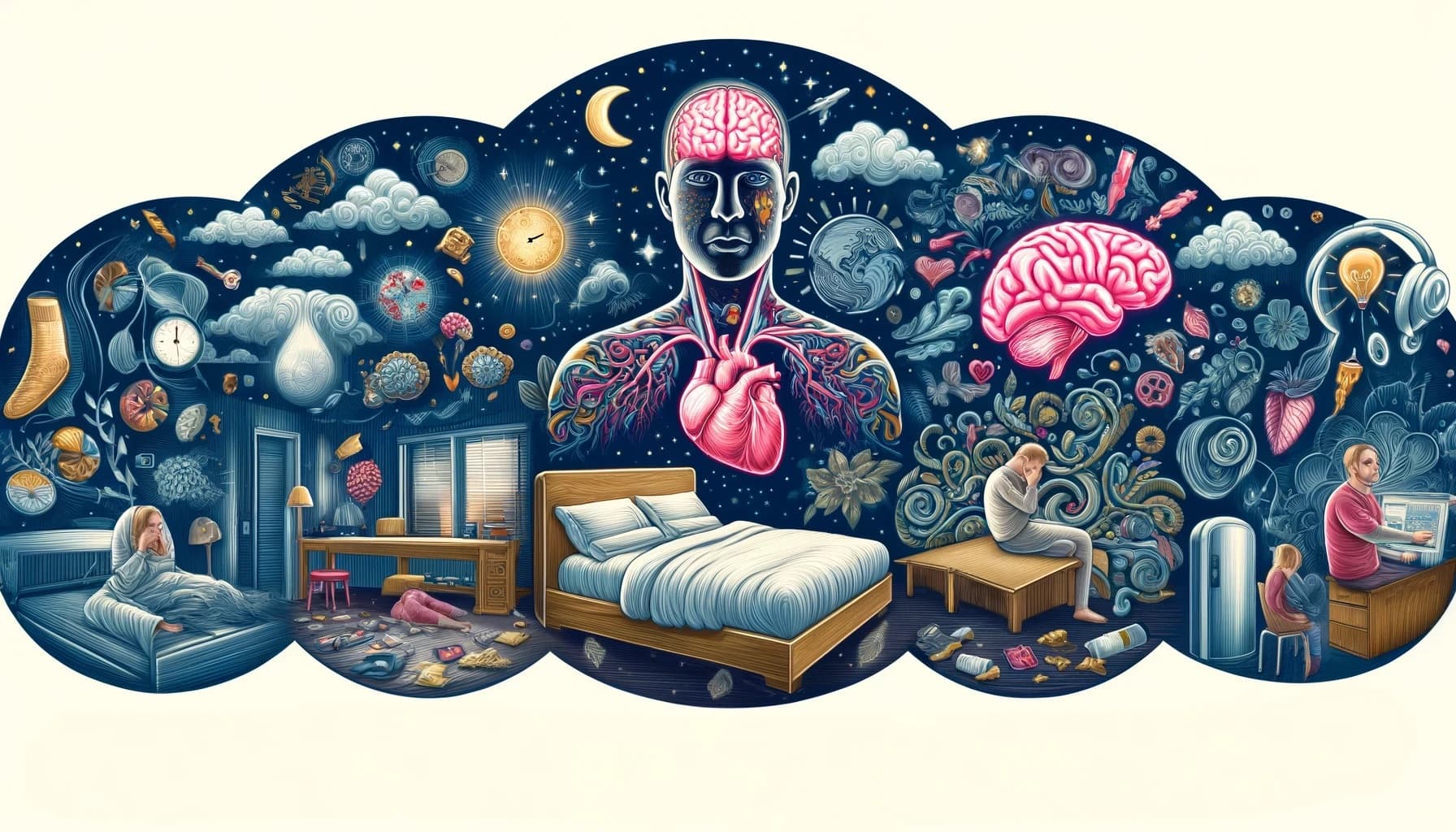
Originally published December 29, 2024.Insomnia rarely arrives with one obvious cause. For many people, it develops through an interaction between stress, habits, environment, health, and the body’s internal timing. A difficult week may trigger a few poor nights; worry about those nights can then make sleep feel like a performance test. Over time, the original trigger and the habits built around it can reinforce each other.
Understanding those layers is useful because it shifts the question from “Why can’t I sleep?” to “Which factors may be keeping this pattern going?”
Psychological factors
Stress and anxiety
Stress activates the body’s arousal systems. Increased vigilance and hormones such as cortisol can make it harder to transition into sleep, even when the body feels tired. Anxiety may also turn bedtime into a cycle of monitoring, frustration, and anticipation.
Depression and mood
Depression can change sleep timing and structure, contributing to difficulty falling asleep, frequent waking, or early-morning awakening. Sleep disruption can, in turn, intensify low mood, creating a two-way relationship.
Trauma
Post-traumatic stress and related conditions may involve hypervigilance, nightmares, or fear of sleep. These symptoms warrant compassionate, trauma-informed care rather than sleep-hygiene advice alone.
Environmental factors
- Light: Bright evening light—especially from screens held close to the face—can delay melatonin release and shift the body clock.
- Noise: Traffic, household activity, and intermittent sounds can fragment sleep even when they do not cause a full awakening.
- Comfort: Temperature, bedding, airflow, and an uncomfortable mattress can all create repeated disturbances.
- Schedule: Shift work, travel, and irregular bedtimes can place daily demands out of step with circadian rhythms.
Physiological and medical factors
Genetic differences may influence circadian timing and vulnerability to insomnia. Hormonal changes during pregnancy, menopause, and other life stages can also alter sleep. Chronic pain, reflux, respiratory conditions, neurological disorders, medication effects, and other sleep disorders may contribute as well.
How the factors connect
These categories are not isolated. Pain may increase stress; stress may lead to more time awake in bed; extra screen use during those hours may further delay sleep. Effective care therefore begins with the whole pattern, not just one symptom.
What to do with this information
A simple two-week sleep diary can help reveal timing, routines, awakenings, daytime symptoms, and possible triggers. Stable wake times, a quieter and darker sleep environment, and a wind-down routine may help, but persistent insomnia should be discussed with a clinician who can look for medical, psychological, and behavioral contributors.
This article is educational and does not provide a diagnosis. Seek professional support when sleep problems persist or interfere with health, mood, safety, or daily life.